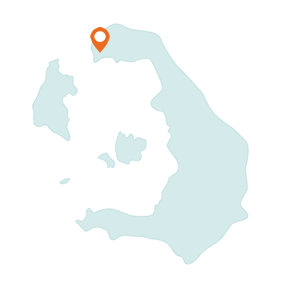
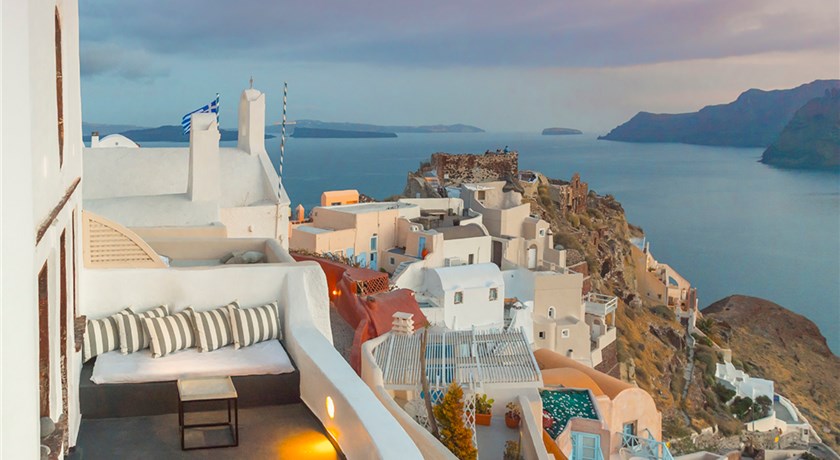
The Naval Maritime Museum is an excellent representation of Greece's rich nautical past, situated in the center of Oia, Santorini.
Oia was a major shipping hub in the 19th century, and this interesting museum gives tourists a unique look into the Cyclades' maritime history. The museum, housed in a traditional captain's mansion, features an extensive collection of artifacts, pictures, and papers that demonstrate the important role Santorini played in maritime exploration and trade.
A Rich History of Seafaring
Greek sailors and merchants who sailed the Aegean and Mediterranean seas and were essential to the country's economy and cross-cultural interactions, are honored by the Naval Maritime Museum, sometimes referred to as the Nautical Museum. Oia's shipowners commanded a fleet of commerce ships that traveled the world, making it a significant shipping hub. The town prospered from the commerce of wine, tomatoes, and other items that were exported from the island during this flourishing period, which is well documented in the museum.
In addition, the museum looks at how Santorini's maritime culture changed over time, especially after the island's shipping sector collapsed during World War II and tourism became its main source of income. A testament to the islanders' inventiveness and adaptability is the local community's tenacity in transitioning from a sea-based economy to one focused on tourism.
Exhibits: A Glimpse Into the Past
The museum provides a thorough exploration of the history of shipbuilding and navigation through its amazing collection of marine antiques. Detailed models of classic Greek ships, ranging in size from tiny fishing boats to massive commerce ships, are among the main exhibits that highlight the development of shipbuilding techniques over the ages. Compasses and sextants are examples of ancient navigational tools that show how sailors plotted their routes through frequently dangerous waters.
A vivid picture of everyday life in the 19th and early 20th centuries can be found in archival photos and papers, such as rare pictures of Oia's docks and shipyards, as well as old shipping records and letters.The museum itself is located in a former captain's residence, which adds to the authenticity. There, guests can examine antique furniture and personal belongings that provide insight into the life of the shipowners and captains of the time.
Education and Community Engagement
The Naval Maritime Museum serves as both an active educational institution and a site for tourists to see the past. It frequently holds lectures, workshops, and exhibits that highlight the value of preserving Santorini's marine legacy and involve both locals and tourists. In order to continuously improve its collection and offer fresh perspectives on Greece's nautical customs, the museum regularly works with historians and marine specialists.
Visiting the Museum
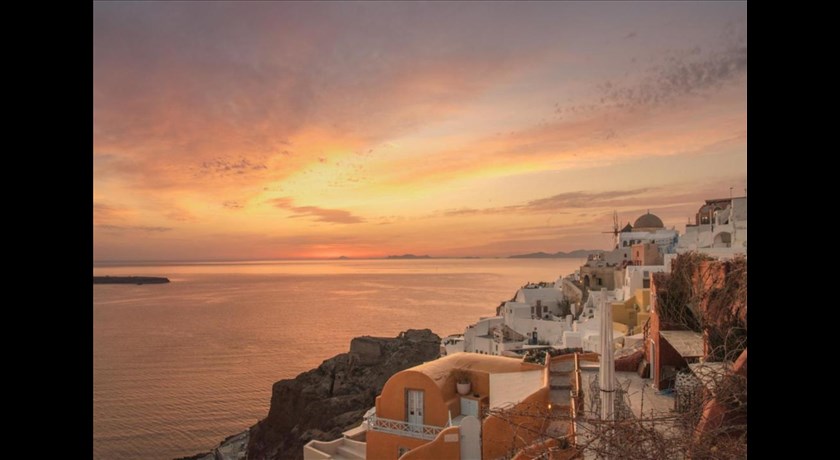
The Naval Maritime Museum, situated in the charming village of Oia, is a must-visit location for history lovers and anybody curious about Santorini's cultural development. The museum’s location offers a dual experience: after immersing yourself in Greece’s nautical past, you can step outside and take in the breathtaking views of the Aegean Sea, which have inspired centuries of maritime adventures. Lastly, the museum is open from May to October, with limited hours during the off-season. Visitors are advised to check the official Facebook page for the latest opening times and ticket prices.

Naval Maritime Museum
A wealth of information on Santorini's nautical heritage can be found at the Naval nautical Museum of Oia, which gives guests the opportunity to go back in time and see how the sea has shaped the island's history and identity. Anyone who wishes to learn more about Greece's maritime history while taking in Oia's timeless beauty should visit this must-see location with its collection of treasures historical papers, and captivating exhibits.
Location & area

Location of Naval Maritime Museum
Discover more Museums and Archaeological Sites